Just Won: $1M,XXX,XXX Trucking Accident Case
 The Million Dollar Advocates Forum: The Top Trial Lawyers In America

When word came out of California that a B-52 bomber went down shortly after takeoff at Edwards Air Force Base, families across Mississippi felt it in a personal way. Columbus, Mississippi is home to Columbus Air Force Base, and we have generations of pilots, maintainers, contractors, and engineers in this community. A tragedy like the one alleged at Edwards is never just a national headline here — it hits home.
At Van Every Law, we have spent decades standing beside Mississippi families after catastrophic accidents. While our day-to-day work centers on car crashes and other personal injury cases, the legal principles that protect grieving families are the same whether a loved one is lost on a Mississippi highway or during a test flight in the California desert. This article walks through those principles in plain language.
What Happened
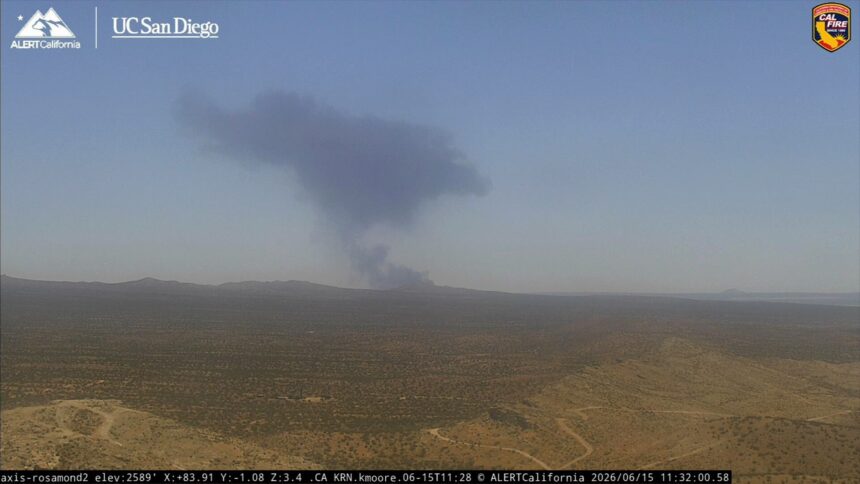
According to reports out of California, a B-52 bomber allegedly crashed shortly after departing Edwards Air Force Base during what officials described as a test mission. Eight people on board are reported to have died, including military personnel, government contractors, and other civilians. Two of those killed were reportedly employees of Boeing. The cause of the alleged crash has not been publicly determined, and federal investigators will likely spend many months reconstructing what went wrong.
For Mississippi families who have loved ones in the Air Force, in defense contracting, or in the broader aerospace industry, news like this raises immediate and difficult questions about safety, accountability, and what survivors can do when the worst happens.
Who May Be Liable
In an aviation incident of this kind, more than one party could be liable depending on what investigators uncover. Potentially responsible parties may include:
- The aircraft manufacturer or its component suppliers. If a design flaw, manufacturing defect, or failure in a critical part contributed to the alleged crash, the manufacturer could be liable under product liability law.
- Maintenance contractors. Companies responsible for inspecting, repairing, or modifying the aircraft may be liable if substandard work allegedly played a role.
- Civilian employers. Contractor employees killed on the job typically have rights under workers’ compensation or, in defense work, the Defense Base Act. Family members may also have third-party claims outside the workers’ comp system.
- The federal government. Claims against the United States are sharply limited by doctrines like the Feres doctrine (which generally bars active-duty service members from suing for service-related injuries), but civilian families may have avenues under the Federal Tort Claims Act in some circumstances.
No liability has been established. Every theory above is conditional on what the investigation reveals.
Legal Theories That May Apply
Several overlapping legal theories may come into play in a catastrophic accident like this:
- Wrongful death. When a person dies because of another party’s alleged negligence or wrongful act, surviving family members may bring a wrongful death claim. Mississippi has its own wrongful death statute that allows certain relatives to recover.
- Negligence. A basic claim that a person or company failed to use reasonable care — for example, in maintaining or operating an aircraft.
- Product liability. If a defective aircraft, engine, avionics system, or component caused the alleged crash, the manufacturer could be liable under strict liability and negligence theories.
- Breach of warranty. Claims that an aircraft or part failed to perform as warranted.
- Defense Base Act claims. A federal workers’ compensation system for civilian employees of government contractors working overseas or on certain military installations.
- Federal Tort Claims Act claims. A limited route for suing the federal government for the alleged negligence of its employees.
- Survival actions. Claims brought on behalf of the deceased’s estate for damages the decedent could have pursued had they survived.
Damages Victims May Recover
When families lose a loved one in a catastrophic accident, no amount of money truly makes them whole. But the law allows recovery in several categories that are designed to ease the financial blow and acknowledge the depth of the loss. In Mississippi, wrongful death damages may include:
- Medical expenses incurred before death.
- Funeral and burial costs.
- Lost wages and lost future earning capacity of the deceased.
- Loss of companionship, society, and guidance for spouses and children.
- Loss of consortium for a surviving spouse.
- Pain and suffering experienced by the decedent before death (through a survival action).
- Punitive damages in cases involving alleged gross negligence, recklessness, or willful misconduct — though these are not available in every case and are limited under Mississippi law.
Mississippi’s wrongful death statute, codified at Miss. Code Ann. § 11-7-13, sets out who may bring a claim and how proceeds are distributed among heirs. The categories of available damages and the procedural rules are nuanced, and an experienced attorney should walk families through them.
Evidence That Strengthens a Case
Aviation cases are evidence-heavy. The most important sources of proof often include:
- Flight data and cockpit voice recorders (the so-called “black boxes”).
- Maintenance logs, modification records, and inspection histories for the aircraft.
- Manufacturer design documents, engineering change orders, and prior incident reports involving the same aircraft type.
- NTSB and military accident investigation reports, when released.
- Eyewitness statements from ground personnel, other pilots, and observers.
- Photographs, videos, and radar data from before and during the alleged crash.
- Expert analysis from former military pilots, aerospace engineers, metallurgists, and human-factors specialists.
- Personnel and training records for the crew and any maintenance staff.
In a Mississippi car accident case, the equivalent evidence — crash reports, dashcam footage, vehicle data recorders, maintenance records, and medical documentation — plays the same role. The principle is the same: catastrophic accidents are won and lost on the strength of the evidence preserved in the first weeks.
What to Do Next
If you have lost a loved one in any catastrophic accident — whether on a Mississippi roadway, on the job, or in an aviation incident — there are a few steps that protect your rights:
- Preserve everything. Save phone records, photos, employer communications, and any documents related to your loved one’s work or travel.
- Do not give a recorded statement to an insurance adjuster or company representative before you speak with an attorney.
- Be cautious with paperwork. Releases, settlement offers, and benefit forms may waive rights you do not realize you have.
- Watch the deadlines. Mississippi’s statute of limitations for wrongful death and most personal injury claims is generally three years, but certain claims against the government or under federal statutes carry much shorter deadlines — sometimes as short as a few months.
- Talk to an attorney early. Evidence disappears, witnesses scatter, and memories fade. The sooner counsel gets involved, the stronger your case becomes.
If you or a loved one has been affected by a catastrophic accident in Mississippi, Call Van Every Law for a free Mississippi case evaluation — over 9 decades of trusted legal excellence. You can reach us at (662) 502-5353 or at https://vaneverylaw.com.
Frequently Asked Questions
Can I sue if my loved one was a civilian contractor killed on a military base?
Possibly, yes. Civilian contractor families often have rights under the Defense Base Act for workers’ compensation benefits, and they may also be able to bring third-party claims against manufacturers or other contractors whose alleged negligence contributed to the death. An attorney can evaluate which avenues are open in your situation.
What if my family member was active-duty military — can we still recover anything?
The Feres doctrine generally prevents active-duty service members and their families from suing the federal government for service-related injuries or deaths. However, claims against private manufacturers, maintenance contractors, or component suppliers may still be available. Military survivor benefits and SGLI life insurance are also typically in play.
How long do I have to file a wrongful death claim in Mississippi?
Mississippi generally allows three years from the date of death to file a wrongful death claim, under Miss. Code Ann. § 15-1-49. But claims involving the federal government, government contractors, or specific federal statutes can have far shorter deadlines, sometimes as little as a few months, so it is critical to act quickly.
Who can bring a wrongful death claim under Mississippi law?
Mississippi’s wrongful death statute allows the surviving spouse, children, parents, siblings, or the personal representative of the estate to bring the claim, depending on the family circumstances. Proceeds are distributed among the statutory heirs under the rules in Miss. Code Ann. § 11-7-13.
Can the aircraft manufacturer be held responsible if a defect caused the alleged crash?
If an investigation shows that an alleged defect in design, manufacturing, or warnings contributed to the crash, the manufacturer could be liable under product liability law. These cases are complex and typically require aerospace engineering experts, but they are an important avenue for families to pursue accountability.
What if the cause of the crash never becomes public?
Much of the investigation may be classified or take years to release publicly. Even so, civil discovery, expert reconstruction, and parallel investigations can often uncover enough evidence to support a claim. An experienced attorney can help families pursue the truth even when official reports are slow or limited.
Does this matter to families in Columbus, Mississippi specifically?
It can. Columbus, Mississippi is home to Columbus Air Force Base and a large community of pilots, contractors, and aerospace workers. Families here often have direct or indirect ties to aviation work, and the same legal principles apply when tragedies occur closer to home — whether in aviation, trucking, or motor vehicle crashes.
What does it cost to talk to Van Every Law about a case like this?
Nothing. Initial case evaluations at Van Every Law are free, and personal injury and wrongful death cases are typically handled on a contingency basis, meaning you owe no attorney’s fees unless we recover for your family.
Original reporting: ktvz.com.