Just Won: $1M,XXX,XXX Trucking Accident Case
 The Million Dollar Advocates Forum: The Top Trial Lawyers In America

What Happened
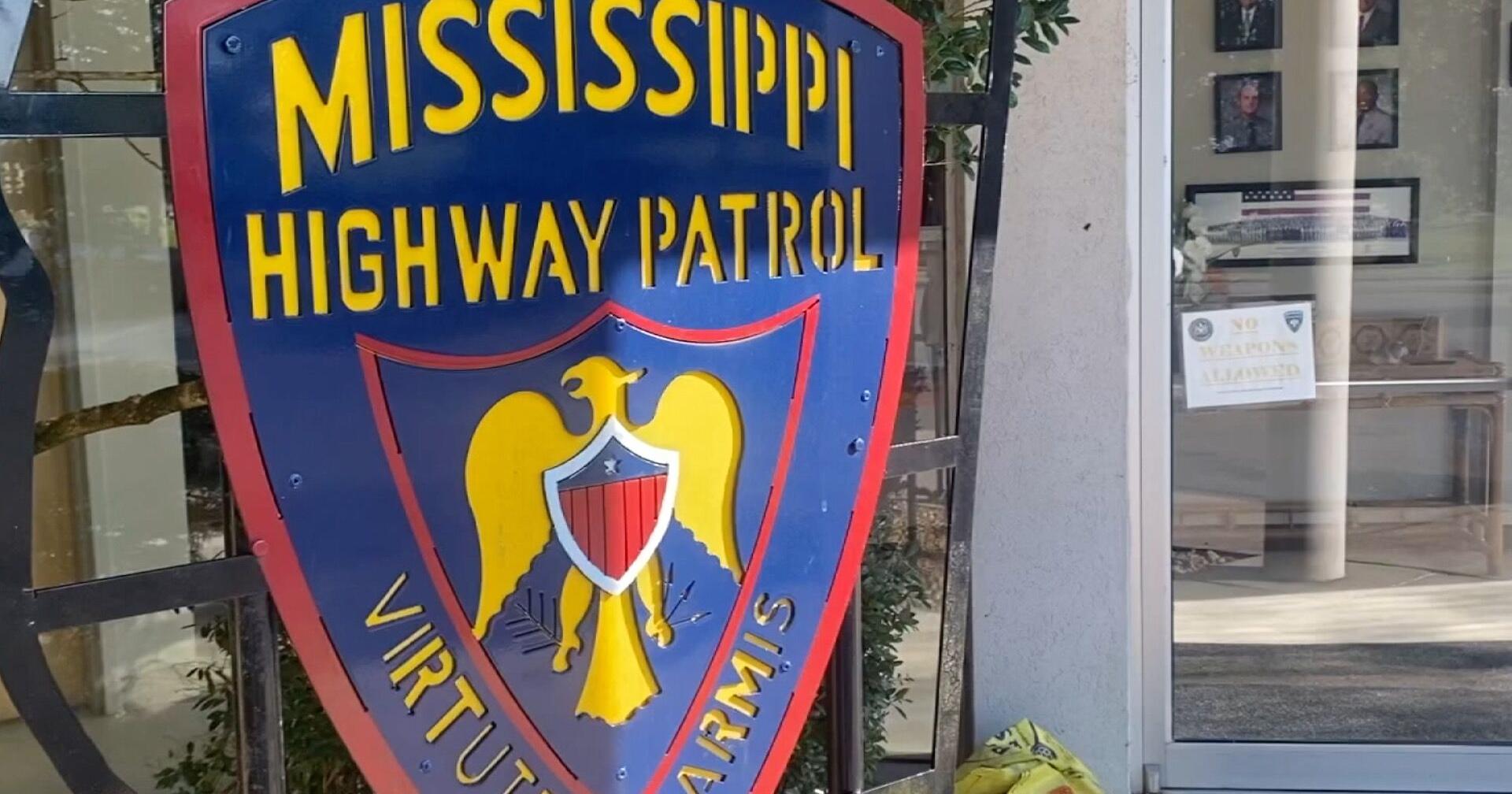
Over the 2026 Memorial Day holiday weekend, the Mississippi Highway Patrol reported that one person lost their life on state-patrolled highways. According to MHP’s enforcement summary, troopers worked the roads from Friday evening through Monday night, investigating 190 wrecks that left 39 people injured. Troopers also issued nearly 5,000 citations, made 74 impaired-driving arrests, and wrote more than 550 seatbelt citations during that span.
The single fatal wreck reportedly occurred Sunday in Monroe County. According to MHP, a 25-year-old man from Baldwyn died after his vehicle allegedly left the roadway and struck a tree. The figures released by MHP cover only crashes on state and federal highways patrolled by troopers — they do not include wrecks worked by city police or county sheriff’s departments, which means the true toll across Mississippi over the holiday weekend may be higher.
For families across north Mississippi, a story like this is not just a statistic. It is a son, a brother, a friend who left home and never came back. As attorneys who have represented Mississippi crash victims and their families for generations, we want to use this tragedy as a moment to explain — gently but clearly — what legal rights surviving family members and injured drivers may have when a serious or fatal wreck happens on our roads.
Who May Be Liable
In a single-vehicle crash like the one reportedly investigated in Monroe County, families often assume there is no one to hold accountable. That assumption is frequently wrong. Depending on what an investigation uncovers, several parties could be liable:
- Another driver who was not struck but caused the wreck — for example, by drifting into a lane, cutting someone off, or running a vehicle off the road and then leaving the scene (a so-called “phantom driver” claim, which may be covered under uninsured motorist policies).
- A vehicle or parts manufacturer, if a defective tire, airbag, steering component, or seatbelt may have contributed to the loss of control or the severity of the injuries.
- A government entity or road contractor, if roadway design, missing signage, unsafe shoulders, fallen trees, or poor maintenance allegedly played a role.
- A bar, restaurant, or social host, in limited circumstances, where alcohol service may have contributed under Mississippi’s dram shop framework.
- An employer, if the driver was working at the time of the crash and fatigue, scheduling, or unsafe vehicle conditions contributed.
Until a full investigation is done — independent of the initial trooper report — it is too early to say who, if anyone, could be liable in this specific incident. But families should know that the absence of a second vehicle at the scene does not automatically mean the absence of a legal claim.
Legal Theories That May Apply
Mississippi recognizes several legal theories that may apply to serious or fatal motor-vehicle crashes:
- Negligence. The core theory in most car wreck cases — that another driver failed to use reasonable care and caused harm.
- Wrongful death. Under Mississippi’s wrongful death statute, certain family members may bring a claim when a loved one dies because of another’s wrongful act or negligence.
- Negligence per se. When a driver violates a safety statute (speeding, DUI, reckless driving), that violation can itself be evidence of negligence.
- Product liability. If a defect in the vehicle or a component may have caused or worsened the crash, the manufacturer could be liable under Mississippi’s product liability act.
- Premises or roadway liability. Claims against public or private entities responsible for dangerous road conditions, though these involve strict notice deadlines under the Mississippi Tort Claims Act.
- Uninsured/underinsured motorist (UM/UIM) claims. When the at-fault driver is unknown, uninsured, or underinsured, the victim’s own auto policy may provide coverage.
- Dram shop liability. In narrow circumstances involving the sale of alcohol to a visibly intoxicated person or a minor.
Damages Victims May Recover
When a Mississippi family pursues a claim after a serious or fatal crash, the damages that may be recovered typically include:
- Medical expenses — emergency care, hospital stays, surgery, rehabilitation, and future medical needs.
- Lost wages and lost earning capacity — including the income a deceased loved one would have earned over a lifetime.
- Funeral and burial expenses in wrongful death cases.
- Pain and suffering experienced by the victim before death, and by the survivors.
- Loss of companionship, society, and consortium for spouses, children, and parents.
- Property damage to the vehicle and personal items.
- Punitive damages in cases where the conduct was allegedly grossly negligent, reckless, or intentional — such as drunk driving. Mississippi caps punitive damages based on a defendant’s net worth under Miss. Code § 11-1-65.
Every case is different. The categories that apply, and the amounts a jury could award, depend on the facts, the evidence, and the available insurance coverage.
Evidence That Strengthens a Case
In a single-vehicle fatal wreck, evidence disappears fast. Skid marks fade, vehicles get crushed and sold for scrap, and witnesses move on. The following types of evidence often make or break a case:
- The full MHP crash report and any supplemental reports.
- Photographs and drone footage of the scene, the roadway, and the tree line.
- The vehicle itself, preserved before insurers dispose of it, so engineers can inspect tires, brakes, steering, and the event data recorder (“black box”).
- Autopsy and toxicology reports that may rule out or in medical events.
- Cell phone records showing whether distraction was or was not a factor.
- Surveillance or dash-cam video from nearby businesses, homes, or other motorists.
- Maintenance and repair records for the vehicle.
- Weather and lighting data from the time of the wreck.
- Witness statements from anyone who saw the vehicle before the crash.
- Roadway records — work orders, inspection logs, complaint histories — if a road condition is suspected.
A qualified accident reconstruction expert can often determine, even months later, whether another vehicle, a defect, or a road hazard may have caused a driver to leave the road.
What to Do Next
If you or someone you love has been seriously hurt — or worse — in a Mississippi car wreck, there are a handful of practical steps that protect both your health and your legal rights:
- Get medical care and follow through on every recommended appointment. Gaps in treatment hurt both recovery and claims.
- Preserve the vehicle. Do not let the insurance company total or scrap it before an attorney has it inspected.
- Save everything — bills, photos, voicemails from insurers, repair estimates, and a daily journal of symptoms.
- Do not give a recorded statement to any insurance adjuster — even your own — without speaking to a lawyer first.
- Mind the deadlines. Mississippi generally allows three years to file most personal injury and wrongful death claims, but claims involving government entities can have notice deadlines as short as 90 days. Waiting can be fatal to a case.
- Talk to a Mississippi trial lawyer early, before evidence is lost.
At Van Every Law in Columbus, our firm has stood with Mississippi families through the hardest moments imaginable for decades. If you have questions after a serious wreck, we are here to listen — at no cost and with no pressure.
Frequently Asked Questions
Can I bring a claim if my loved one was the only driver involved in the crash?
Yes, you may still have a claim even in a single-vehicle wreck. Another driver who left the scene, a defective vehicle part, a dangerous road condition, or an unsafe employer schedule could all be potential sources of liability. An attorney can investigate before assuming there is no case.
How long do I have to file a wrongful death lawsuit in Mississippi?
Mississippi generally allows three years from the date of death to file a wrongful death claim, but shorter deadlines can apply — especially when a government entity, city, or county may be involved. Missing a deadline almost always bars the claim forever. Talking to a lawyer early is the safest course.
What if the at-fault driver fled the scene or cannot be identified?
You may still have coverage through your own uninsured motorist (UM) policy, which is built to handle exactly that situation. Mississippi insurers must offer UM coverage, and it can apply when a phantom driver allegedly forces another vehicle off the road. An attorney can review every policy in the household to find available coverage.
Can I sue if a tree, pothole, or road defect caused the wreck?
Possibly. Claims against public entities for unsafe roadways are allowed in Mississippi but are governed by the Mississippi Tort Claims Act, which has strict notice requirements and tight deadlines. These cases require fast action and careful legal handling.
Does it matter if my family member was not wearing a seatbelt?
Mississippi law limits how a seatbelt issue can be used against an injured person in a civil case, but insurance companies still try to use it. The presence or absence of a seatbelt does not eliminate a claim, and the at-fault party may still be responsible for damages. A lawyer can push back against unfair arguments.
What if alcohol or drugs were allegedly involved?
If another driver was allegedly impaired, that can support both a negligence claim and a request for punitive damages under Mississippi law. Toxicology and law enforcement records become critical pieces of evidence. Even if your own loved one is alleged to have been impaired, there may still be claims against other responsible parties.
How much does it cost to hire Van Every Law for a car accident case?
Our firm typically handles personal injury and wrongful death cases on a contingency fee basis, meaning you owe no attorney fee unless we recover compensation for you. The initial consultation is free. That allows grieving and injured families to get answers without financial pressure.
How soon should I contact a lawyer after a serious crash?
As soon as possible — ideally within days. Vehicles get scrapped, video gets overwritten, and witnesses become harder to find with every passing week. Early legal involvement protects evidence that may be essential later.
Original reporting: wtva.com.