Just Won: $1M,XXX,XXX Trucking Accident Case
 The Million Dollar Advocates Forum: The Top Trial Lawyers In America

What Happened
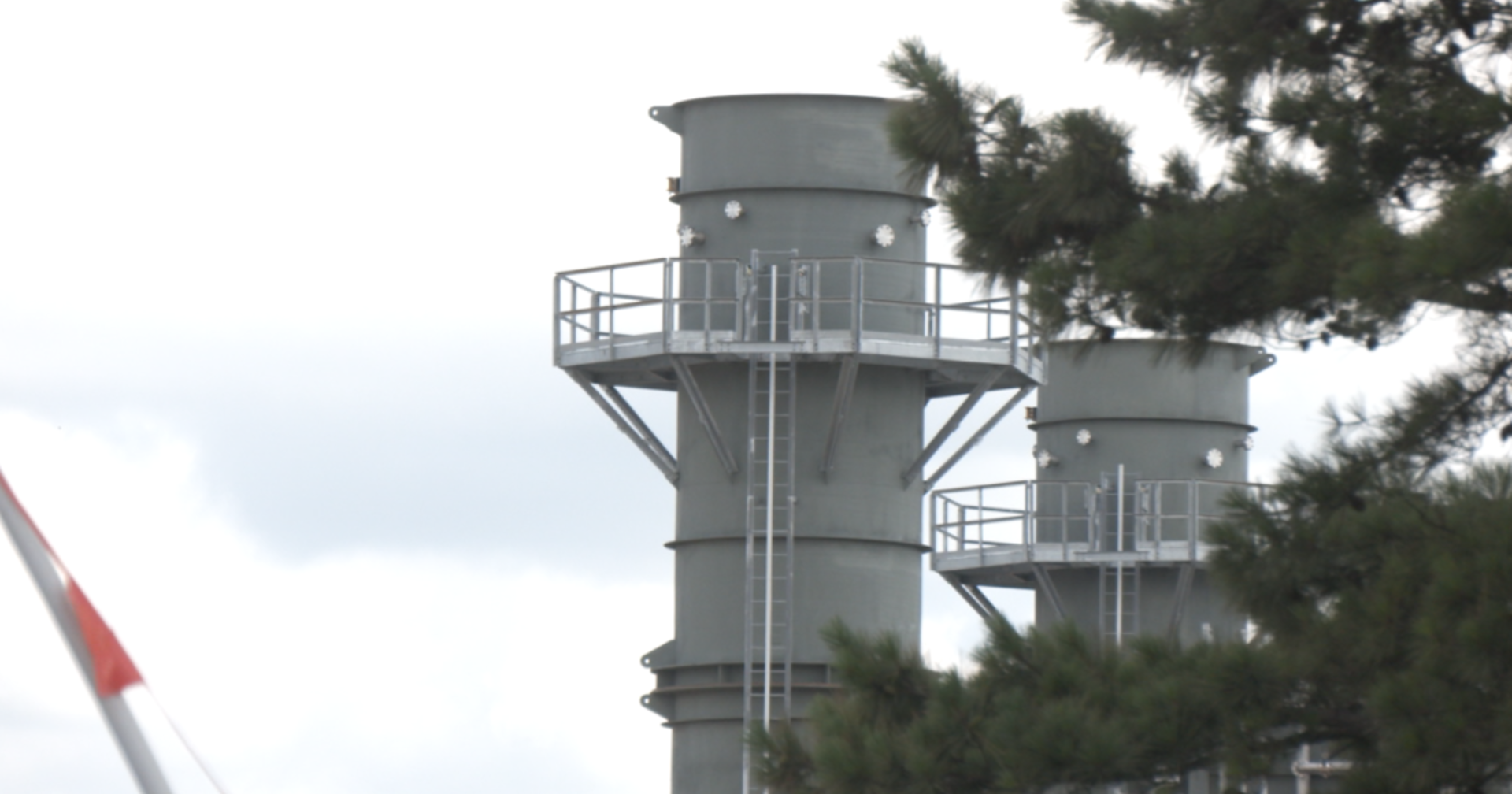
Families living in Southaven and Horn Lake, Mississippi say their neighborhoods have been overtaken by a relentless mechanical roar that, according to reports, sounds like a jet engine that never stops. The noise is allegedly coming from a power generation site on Stanton Road, a facility that was formerly operated as a Duke Energy plant and was reportedly brought back online in the past year to supply electricity to xAI’s nearby supercomputing operations in north Mississippi and the Whitehaven area of Memphis.
A lawsuit filed by area residents alleges that as many as 57 gas-fired turbines run nearly around the clock at the site, generating sound levels that carry roughly a mile into surrounding subdivisions. Residents quoted in news reports describe lost sleep, recurring headaches, and ringing in the ears. The plaintiffs are reportedly seeking class action status on behalf of an estimated 10,000 residents of Southaven and Horn Lake. xAI, according to the reporting, has not publicly responded.
If you live in DeSoto County or anywhere near the facility and have experienced similar disruption, you may have legal options worth exploring.
Who May Be Liable
In a case like this, more than one party could be named as a defendant. Potentially responsible parties may include:
- The operator of the power plant, which residents allege is connected to xAI’s data center operations.
- The corporate parent or affiliated entities that own, lease, or control the Stanton Road site.
- Contractors or subcontractors that installed, maintain, or operate the turbines, if their conduct contributed to the alleged noise levels.
- Prior owners of the facility, depending on what equipment and permits transferred with the property.
- Regulatory permit holders who may have certified the facility’s operations under air, noise, or zoning rules.
At this stage, no court has determined that any party is at fault. The allegations remain allegations. But Mississippi law allows neighbors who suffer real, measurable harm from industrial operations to pursue civil claims against the businesses responsible.
Legal Theories That May Apply
A mass tort or class action stemming from industrial noise and emissions can rest on several overlapping legal theories. Depending on what the evidence shows, the following could apply:
- Private nuisance – When a business’s operations substantially and unreasonably interfere with a homeowner’s use and enjoyment of their property, Mississippi law allows that homeowner to sue for nuisance.
- Public nuisance – If the alleged noise affects an entire community’s health, safety, or comfort, it may qualify as a public nuisance shared across thousands of residents.
- Negligence – The operator may be liable if it failed to use reasonable care in designing, siting, or running the turbines, including failing to install adequate sound dampening.
- Trespass – Some courts recognize that intrusive sound, vibration, or pollutants crossing onto private property can constitute a form of trespass.
- Strict liability for abnormally dangerous activities – Large-scale industrial power generation, depending on the facts, can be argued as an inherently hazardous activity.
- Violation of environmental and zoning regulations – If permits, noise ordinances, or air-quality rules were allegedly violated, those violations can support a civil claim.
- Negligent infliction of emotional distress – Chronic sleep deprivation and stress-related symptoms may, in certain circumstances, support emotional distress claims.
Each of these theories has its own elements, defenses, and proof requirements. A seasoned mass tort lawyer can evaluate which ones fit your situation.
Damages Victims May Recover
When a community-wide industrial nuisance is proven, Mississippi residents may be entitled to recover several categories of damages, including:
- Medical expenses for treatment of headaches, hearing problems, sleep disorders, anxiety, or cardiovascular effects linked to chronic noise exposure.
- Diminished property value, since homes near a constantly humming industrial site often lose market value.
- Loss of use and enjoyment of your home and yard – the inability to sleep, open a window, or sit outside in peace.
- Relocation and moving expenses for residents who feel forced to leave, like the neighbor quoted in news reports who said she plans to move.
- Lost wages if sleep deprivation or health effects have interfered with your ability to work.
- Pain, suffering, and emotional distress caused by the alleged ongoing disturbance.
- Punitive damages, in cases where a defendant’s conduct is shown to be willful, reckless, or grossly negligent. Mississippi law allows punitive damages in limited circumstances and caps them based on the defendant’s net worth.
- Injunctive relief – a court order requiring the operator to reduce noise, install mitigation equipment, or change operating hours.
For many homeowners, injunctive relief – making the noise stop – is just as important as a financial recovery.
Evidence That Strengthens a Case
Industrial nuisance and mass tort cases live and die on documentation. Evidence that can help strengthen a claim includes:
- Sound-level measurements taken at different times of day from inside and outside your home, ideally with a calibrated decibel meter.
- Video and audio recordings that capture the duration and character of the alleged noise.
- Medical records documenting headaches, tinnitus, sleep disorders, blood pressure changes, or anxiety since the facility began operating.
- Sleep logs and symptom diaries kept contemporaneously.
- Real estate appraisals or comparable home sales showing property value impacts.
- Witness statements from neighbors who can corroborate the timing and severity of the disturbance.
- Permits, zoning records, and regulatory filings related to the power plant.
- Air-quality and emissions data from state environmental agencies.
- Internal company documents obtained in discovery, which may reveal what the operator knew about noise impacts and when.
- Expert reports from acoustical engineers, environmental scientists, public health physicians, and real estate appraisers.
The earlier evidence is preserved, the stronger the case tends to be.
What to Do Next
If you live in Southaven, Horn Lake, Olive Branch, Hernando, or any nearby community and you believe you have been harmed by the alleged ongoing noise or emissions from the Stanton Road facility, consider these conservative steps:
- Start documenting now. Keep a daily log of noise, symptoms, and sleep disruption. Note exact times.
- See your doctor. Tell your physician about headaches, ringing in the ears, or sleep loss so it becomes part of your medical record.
- Preserve recordings and photos. Back them up to cloud storage.
- Do not sign anything offered by the company, its insurer, or any settlement administrator without first speaking with an independent lawyer.
- Mind the deadlines. Mississippi generally imposes a three-year statute of limitations on personal injury and property damage claims, but the clock can start sooner than you think.
- Get a free, no-pressure case evaluation from a Mississippi attorney who handles mass tort and class action work.
If you or a loved one has suffered sleep loss, health effects, or property impacts allegedly tied to industrial operations in north Mississippi, the team at Van Every Law is ready to listen. Call Van Every Law at (662) 502-5353 for a free Mississippi case evaluation – over 9 decades of trusted legal excellence – or visit https://vaneverylaw.com to learn more.
Frequently Asked Questions
Can I join the class action if I live in Southaven or Horn Lake?
If a court grants class certification, residents within the affected geographic area may be automatically included unless they opt out. Even before certification, you can speak with your own attorney about joining as a named plaintiff or filing an individual claim. A Mississippi lawyer can explain how the alleged class definition could apply to your household.
How long do I have to file a noise or nuisance lawsuit in Mississippi?
Mississippi’s general statute of limitations for personal injury and property damage claims is three years, though continuing nuisance claims can be more nuanced because the harm is ongoing. Some claims may be shortened by other rules, so waiting can cost you valuable rights. The safest course is to consult an attorney as soon as possible.
What if I rent my home instead of owning it?
Renters may still have claims for personal injury, loss of enjoyment of their home, medical expenses, and relocation costs, even though they do not own the property. Property-value damages typically belong to the homeowner, but health and quality-of-life damages can belong to anyone living in the affected area. An attorney can sort out which claims fit your situation.
Do I need a doctor’s diagnosis to bring a claim?
You do not need a formal diagnosis to call a lawyer, but documented medical care strengthens any claim involving alleged headaches, hearing damage, or sleep disruption. If you have been experiencing symptoms, see your physician promptly and describe the noise exposure. Those medical records can become important evidence later.
What if the company says it has all the right permits?
Holding a permit is not a complete legal shield. A facility can still be liable for private nuisance, negligence, or trespass even if it claims regulatory compliance, especially if it allegedly exceeds permit conditions or causes harm beyond what regulators considered. Compliance is one factor in the case, not the final word.
Could the company be ordered to actually reduce the noise?
Yes. In addition to money damages, Mississippi courts can issue injunctions requiring a defendant to change its operations, install noise mitigation, or limit hours. For many residents, that kind of court-ordered fix is the most meaningful outcome a lawsuit can deliver.
How much does it cost to hire a mass tort attorney?
Most mass tort and class action lawyers, including Van Every Law, handle these cases on a contingency-fee basis. That means you pay no attorney’s fees unless there is a recovery. Initial consultations are free, so there is no financial risk in finding out where you stand.
What should I avoid doing while I consider a claim?
Do not post detailed accounts of your symptoms or damages on social media, do not give a recorded statement to a company representative or insurer without counsel, and do not sign any release or waiver. These steps can unintentionally undercut your case. When in doubt, talk to a Mississippi attorney first.
Original reporting: fox13memphis.com.